
Our Response to Girl Guiding and Women’s Institute Excluding Trans Women and Girls
Authored By: Catherine Goodall, Campaigns Lead
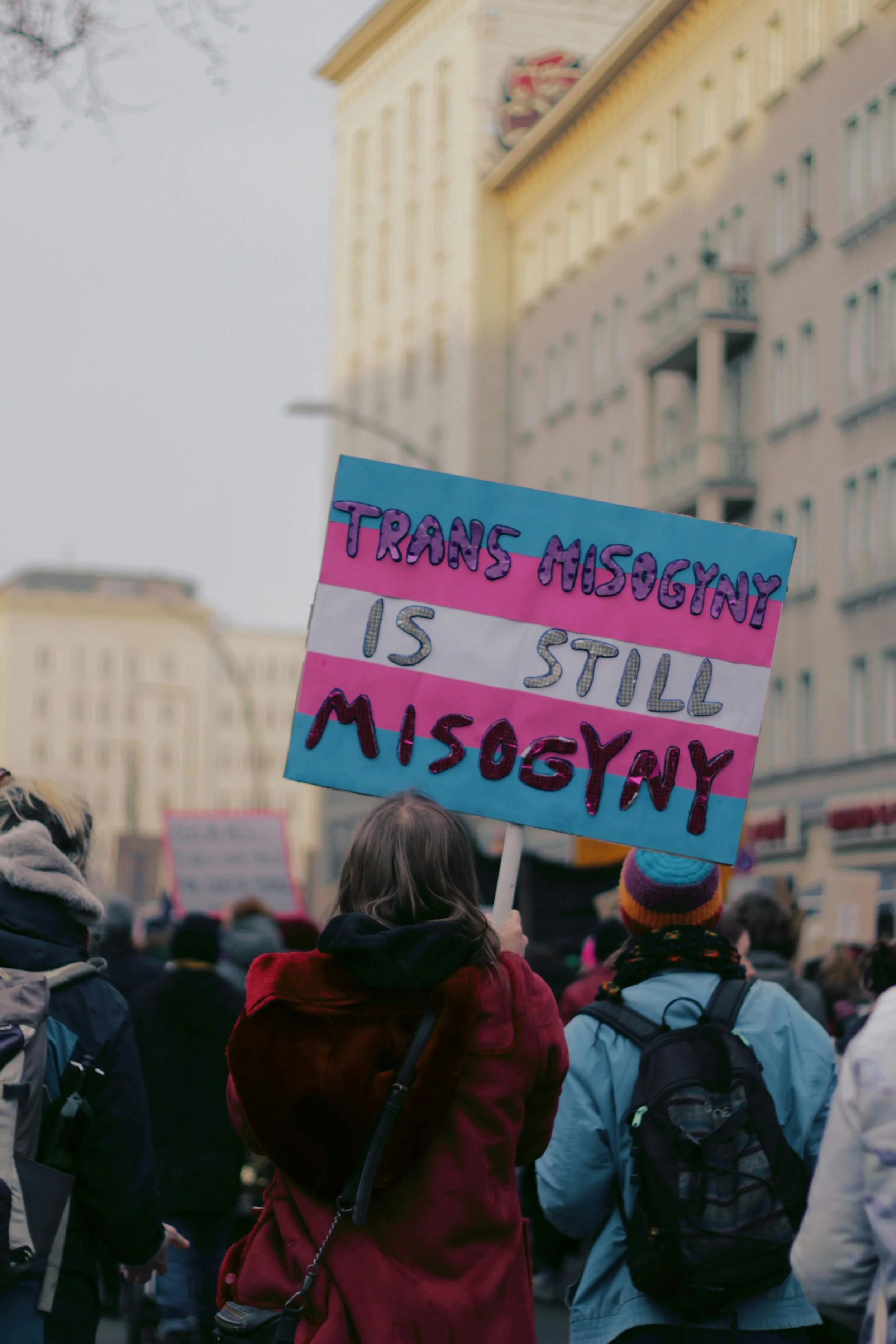
We were shocked to read of Girl Guiding and Women’s Institute decisions to ban trans girls and women from their services.
We want to create space and support for staff, volunteers and beneficiaries of voluntary organisations, to reiterate our commitment and unwavering support to all. We know that this is a difficult time, where many of us face exclusion and prejudice, and worry what the future will bring.
The decisions
Girl Guiding state that following the ruling of the Supreme Court in April 2025 on the definition of ‘sex’ in the Equality Act 2010, that they will now restrict their services to women and girls who were recorded female at birth. The Women’s Institute have made a similar statement about the women who will be excluded from their groups.
Both organisations state that this decision is made following significant legal advice and engagement with their members. They both state that they support trans women and girls, but are still going to exclude them from some services. These decisions come before the statutory guidance from the Equalities and Human Rights Commission (EHRC) is approved by government and published. It may later turn out that this decision is not in line with updated statutory requirements for voluntary organisations.
Trans, non-binary and intersex inclusion is not optional
We state categorically that to function as charitable organisations which take inclusion and belonging seriously, inclusion of all staff, volunteers and beneficiaries is essential.
As a sector we need to be operating with an approach of inclusion by default. Where there are challenges in doing so, such as when we run gender specific services, we need to balance these decisions carefully. We should only be excluding individuals where the circumstances are fair, proportionate and balanced carefully with our charitable objects and the rights of our other staff, volunteers and beneficiaries.
Creating blanket statements, policies and exclusions to services has the potential to be later tested through litigation, which could pose legal and financial risks for organisations. Despite the discourse put forward by many organisations and groups seeking to exclude trans people from services, there are examples of tribunals and court judgements which have found these approaches to be exclusionary and not legally defensible.
leadership is vital
We know that for many organisations these are not simple decisions, because of the toxic environment we operate in and the relentless pressure from groups and organisations which seek to undermine and remove our rights. It is vital in this context that leaders take brave, definitive steps to support all of the people involved in their organisations.
We know for many, the fear of litigation, of coming under attack for inclusive policies and processes, can lead to organisations taking damaging decisions. We urge leaders to reach out to us, to other membership and support bodies, and to seek legal advice if they are concerned about making these kinds of decisions.
Leaders also have responsibilities to provide support and care to those involved in their organisation. We encourage you to create space, to listen to your communities, and to take meaningful steps to support them at this time. Check in on the people you engage with. Provide safe spaces where you can, to enable people to come together, to share their experiences and support each other.
Decisions like this do not change the validity, value and beauty of our identities
We know in this relentless onslaught of media, legislative, regulatory and wider societal discourse on the rights of trans people, many of our very identities are under attack. It can be challenging to retain any hope in this context.
We want to state again, that no matter who you are, or how you identify, you are valid, your identity is real, and you belong in civil society. You have worth, value and you are important. We are stronger together, and it’s more important than ever that we stand in solidarity and support of each other.
Elevating, advocating and supporting LGBTQIA+ voices across civil society
We will continue, as always, to support and advocate for LGBTQIA+ people across civil society. We are working hard behind the scenes on our campaigning and influencing, collaborating with others and building our plans for 2026.
We are planning to conduct a survey in the new year to learn more about individuals’ and organisations’ experiences of these challenges, and we will welcome any and all responses. We will continue to push for inclusion across the voluntary sector, and be here for you all as we navigate these difficult times.
In solidarity and rage,
The Proud Changemakers Team
For more information, check out what The Good Law Project has to say on the matter here.